The direction of travel in residential construction is no longer ambiguous. Across 2025, the industry has continued to move away from surface-level sustainability and towards measurable building performance — energy use, durability and long-term value.
Looking ahead to 2026, this shift is set to accelerate.
At Luxon, these changes reflect how we already approach design and construction.
2025: A Reset Around Build Quality and Energy Use
Fabric Performance Takes Priority
2025 has seen a clear move towards fabric-first construction. With energy costs remaining high and regulations tightening, attention has shifted to the fundamentals:
- Airtightness
- Insulation continuity
- Thermal performance of the building envelope
The industry has increasingly recognised that energy efficiency is determined by the structure itself, not by add-on technologies.
Sustainable Materials, Properly Assessed
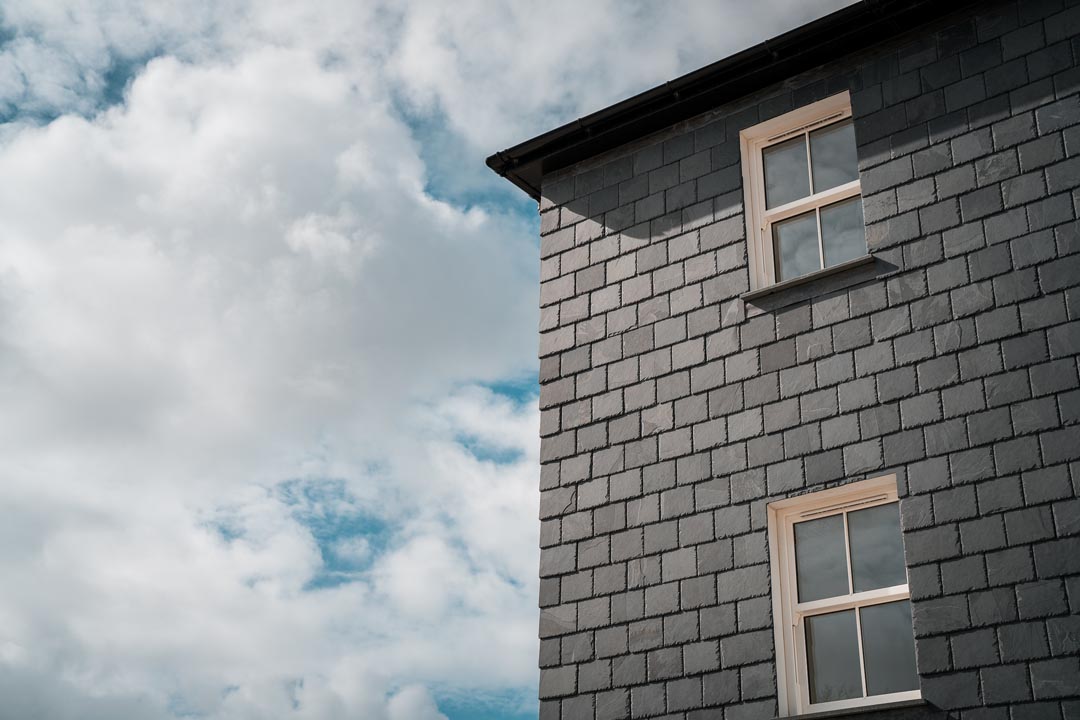
Rather than experimenting with unproven systems, 2025 has been about using robust, long-life materials that reduce energy demand and maintenance over time.
This reflects a more mature approach to sustainability; one focused on whole-life performance rather than short-term claims.
2026: Where the Industry Is Heading
Energy Efficiency as a Value Driver
By 2026, energy performance is expected to play a greater role in:
- Buyer decision-making
- Running cost comparisons
- Long-term asset value
Homes with strong thermal performance and low energy demand will be better positioned as standards continue to evolve.
Construction Systems Built for Longevity
The industry is moving towards construction methods that:
- Deliver consistent performance
- Reduce on-site variability
- Exceed minimum regulatory requirements
Systems that combine structural integrity with high insulation levels are becoming central to this shift.
What This Means for Buyers
For purchasers, these trends translate into clear, practical benefits:
- Lower ongoing energy costs
- More stable indoor temperatures
- Reduced maintenance over time
- Homes that are better prepared for future regulations
Importantly, buyers are increasingly looking beyond finishes and layouts, and asking how a home is built — and how it will perform in ten, twenty or thirty years’ time.
Luxon’s Approach
Luxon’s construction methods are aligned with this long-term outlook.
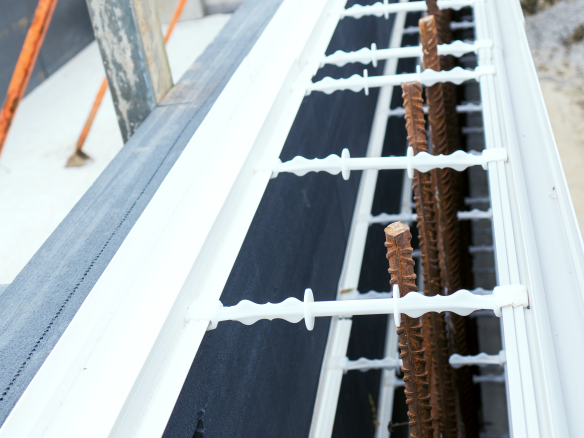
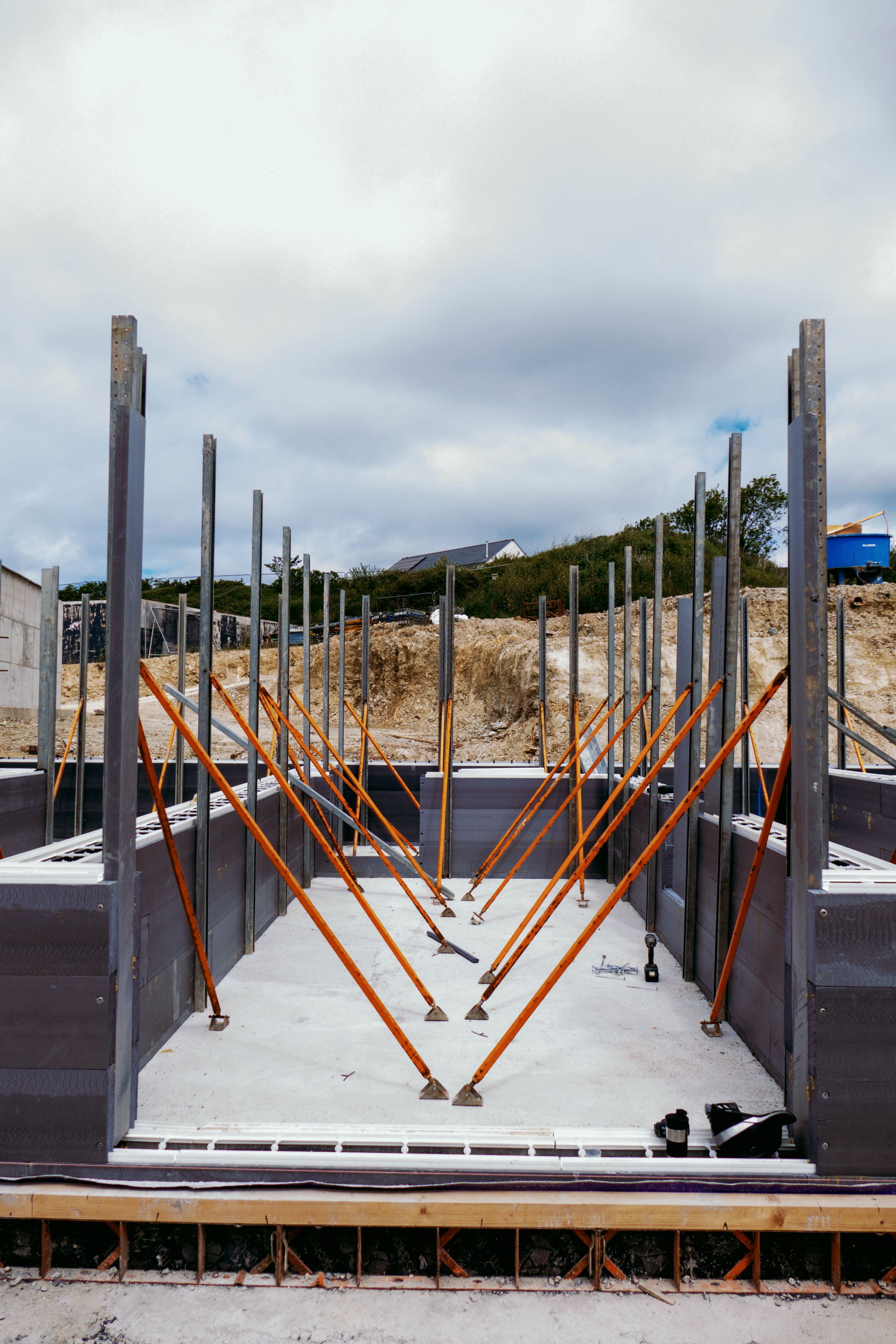
By prioritising high-performance building fabric and energy-efficient structural systems — including insulated, airtight wall construction — we reduce energy demand at source rather than relying on future retrofits or compensatory technology.
This approach supports:
- Lower energy use from day one
- Improved comfort and durability
- Homes designed to remain relevant as standards tighten
It’s a practical response to where the industry is going, not a reaction to passing trends.
Building with Intent
The next phase of residential construction is about performance, longevity and responsibility.
At Luxon, that’s already the baseline.